Ninety-eight people. Everyone we have found is listed.
Still being verified
67
Ruled or characterized suicide
27
Family accepted
2
Undetermined
2
Including the two whose families now accept the ruling. theycalleditsuicide.laboracollective.com/people
Where they are
Thirteen states and DC — and Mississippi leads with thirteen people.
Mississippi
13
North Carolina
7
Texas
6
CA · FL · GA
3 ea.
Tennessee
2
AL · DC · MD · MI · NY · OR · WI
1 ea.
More than half the roster’s locations are still being verified — this is what has been confirmed so far.
The pattern this sits inside
Anti-Black incidents are the single largest bias category there is.
FBI / DOJ Hate Crime Statistics, 2024. Everything that follows tonight sits inside this fact.
What puts someone on it
Not one of them is here because we decided how they died.
Either
A family says the story does not fit the person they knew.
Or
A ruling arrived without the work behind it.
That is all
They are here because someone with standing to ask has not been answered.
What is the threshold for a public record of a disputed death, if it is not the family’s own account?
What the families did
When a file closes the state stops. So the family starts.
The timeline that does not add up. The photograph nobody explained. The phone never examined. The friend never interviewed. The autopsy they had to sue for.
Parents become their own investigators, on their own money, without training, against an office that has already written the answer.
Rasheem Carter
Days earlier he told his mother that white men in three trucks were chasing him.
Twenty-five. Smith County, Mississippi — remains found 2 November 2022.
The sheriff said there was no evidence of pursuit, and has said he welcomes a federal probe.
Rasheem Carter — what was found
A body scattered across two acres produced no manner of death.
The remains
Dismembered and scattered across roughly two acres. His head was severed and found apart from his spine. His front teeth were missing.
The ruling
Mississippi State Medical Examiner — cause and manner undetermined.
“What we have is a Mississippi lynching.” Ben Crump
Rasheem Carter — the discoveries
Not one search. Three.
2 Nov 2022
Skull and spinal cord, found apart from each other.
23 Feb 2023
A third set, DNA-matched to Carter.
30 Apr 2023
A possible fourth, 25 miles off. Ruled animal bone.
The state’s own forensic exam, 2 Feb 2023: “no means by which a cause of death could be reasonably determined.”
Rasheem Carter — the pushback
The district attorney called the question “reckless speculation.”
Attorney Ben Crump asked why the family wasn’t told about a possible fourth set of remains. DA Chris Hennis called that claim “completely baseless.”
Twenty months on, the sheriff told CNN the file was still open — and reporters found Taylorsville still talking about it. Just not on the record.
What “undetermined” does
It does not close the case the way “suicide” does. It does not open one either.
Nobody is assigned. Nothing is required of anyone. It is the only undetermined on the roster.
Part two, from the other direction: in ambiguous circumstances the doubt is usually spent on “suicide.” Here it was not, and the family still has nothing.
The Mississippi column
Thirteen of the ninety-eight, from one state.
—
Andre Jones · Cory Zukatis · Demartravion “Trey” Reed · Deondrey Montreal Hopkins · Frederick Jermaine Carter
Raynard Johnson · Roy Veal · Tasia Fortune · Willie Andrew Jones Jr.
Several are the cases the Washington Post documented as suspicious Mississippi hanging deaths. Is Mississippi thirteen because more happens there, or because of who is allowed to write the answer?
Mississippi carries this history first
654
Documented racial-terror lynchings, 1877–1950 — the most of any state the Equal Justice Initiative studied. Not a proportion. A count.
Equal Justice Initiative, Lynching in America — Mississippi.
Ida B. Wells
“Nobody in this section of the country believes the old thread-bare lie that Negro men rape white women.”
Free Speech, May 21, 1892 — the editorial that got her office burned. She was told she would be killed on sight if she came back to Memphis. She never lived in the South again. She never stopped counting.
The intimidation was the point, and it did not work. It has never worked. Two of us reading this roster out loud, on camera, is what that failure looks like.
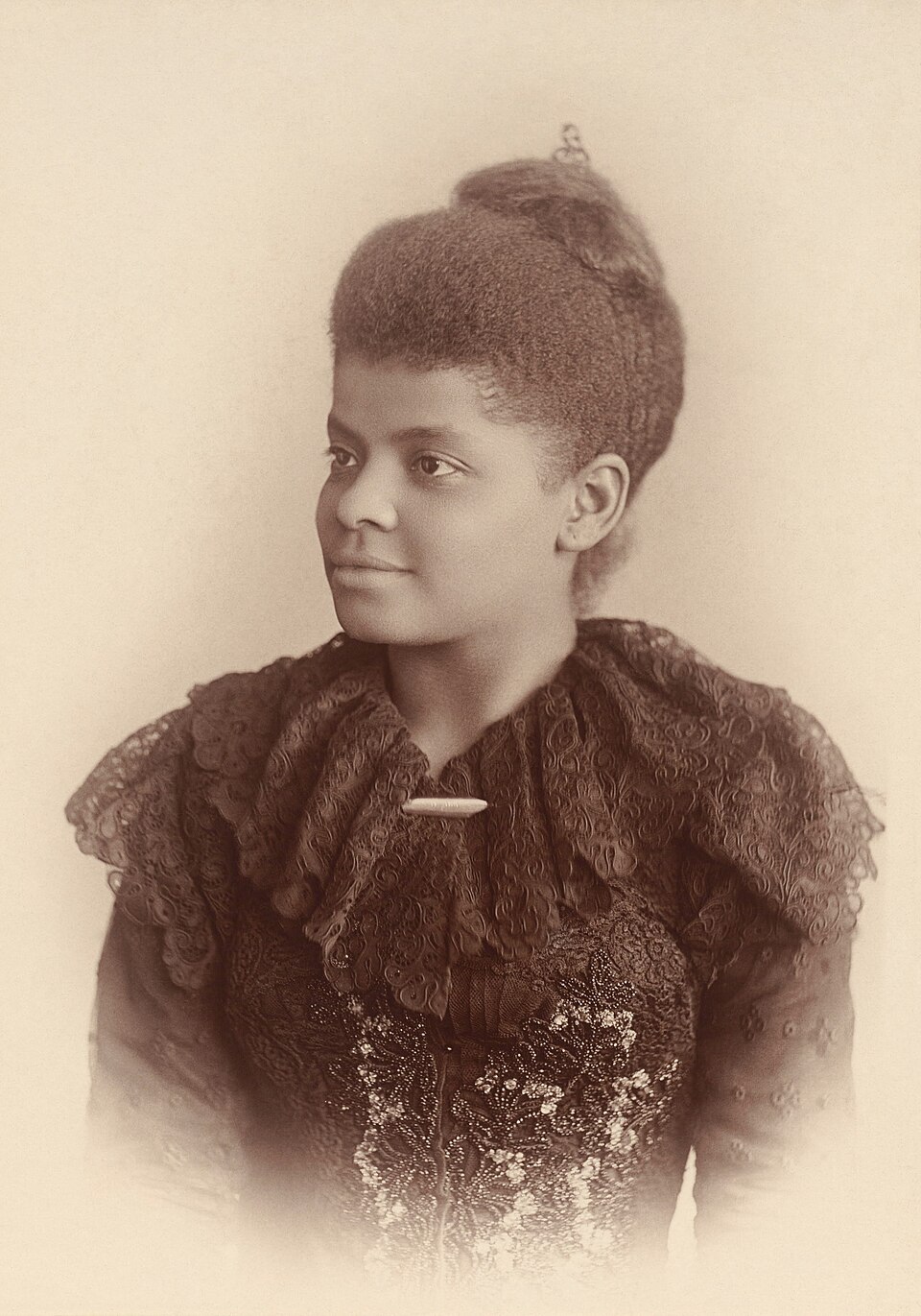
Ida B. Wells
She went and looked at the records.
Memphis, 1892 — after the People’s Grocery lynching of Thomas Moss, Calvin McDowell and Will Stewart, Wells documented the pattern behind the “protection” justification in Southern Horrors: Lynch Law in All Its Phases. Her Free Speech office was destroyed by a mob; she never lived in the South again. Mary Garrity portrait, 1893 — public domain.
The playbook
“The Negroes are getting too independent… we must teach them a lesson.”
The Memphis mob’s own stated reason for lynching three Black grocers in 1892. Not a crime — competition with a white-owned store.
Rinse, wash, repeat. Black success has always drawn this. It is the same sentence in a better suit.
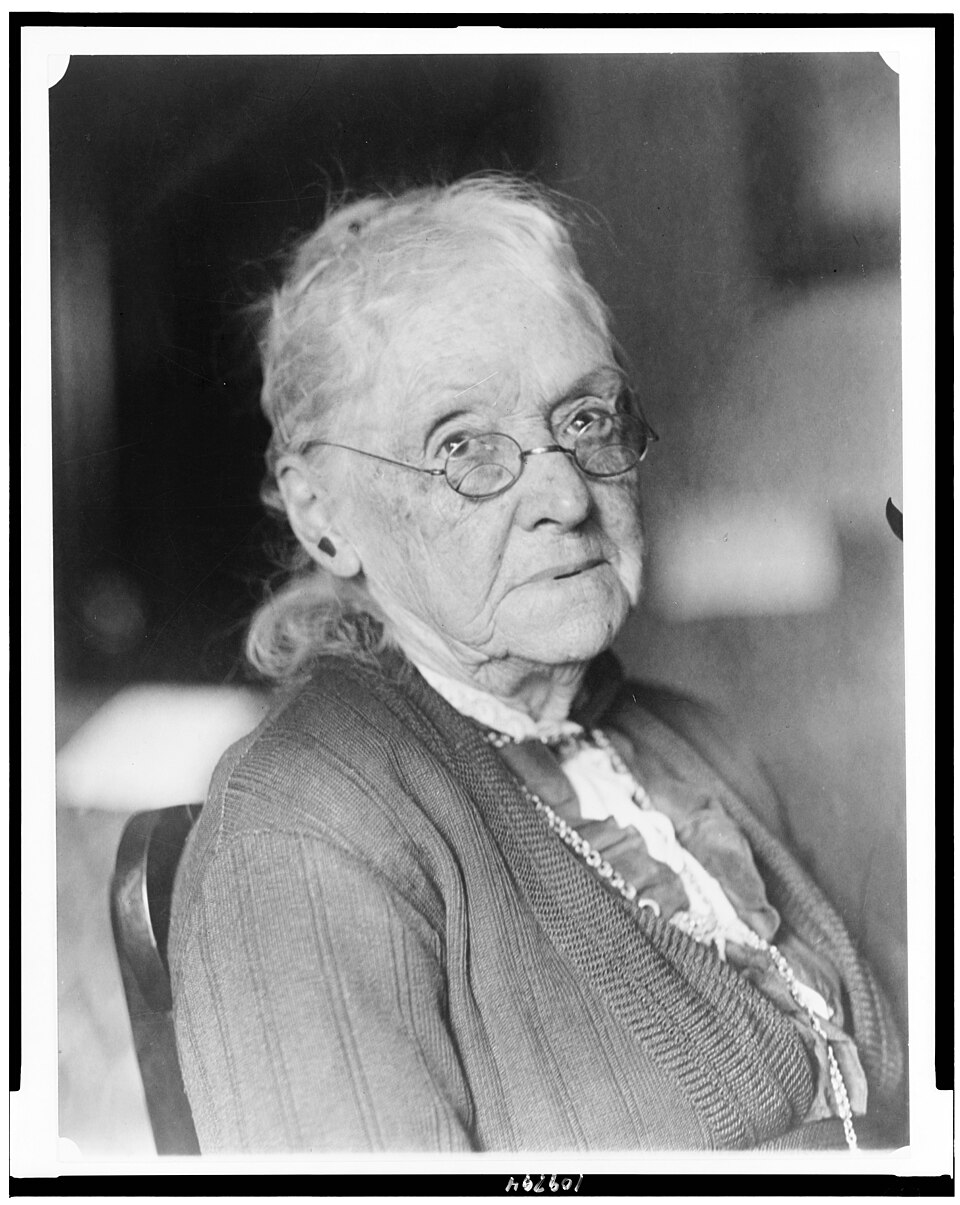
Rebecca Latimer Felton · 1897
“Lynch, a thousand times a week if necessary.”
Told a Georgia agricultural audience that lynching was justified to protect white women from Black men — not a fringe position, but the plainly stated program of respectable Southern political life at the turn of the century. Later the first woman seated in the United States Senate. Library of Congress portrait, public domain.
One name carries the record
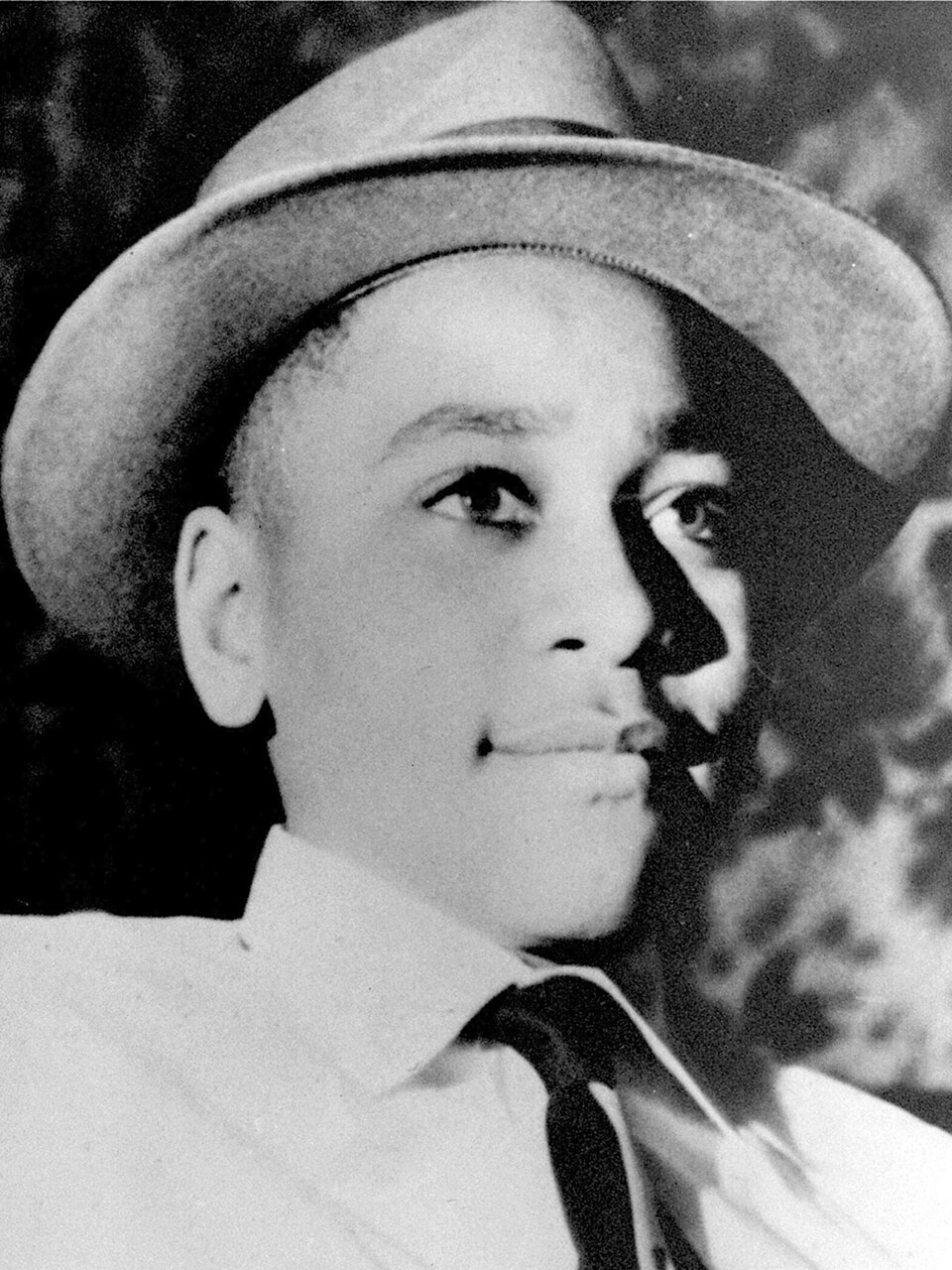
Emmett Till was fourteen.
Accused of offending a white woman in a Money, Mississippi store, August 1955. His body was pulled from the Tallahatchie River three days later.
Photographed the year before he was killed in Money, Mississippi, August 1955. Public domain.
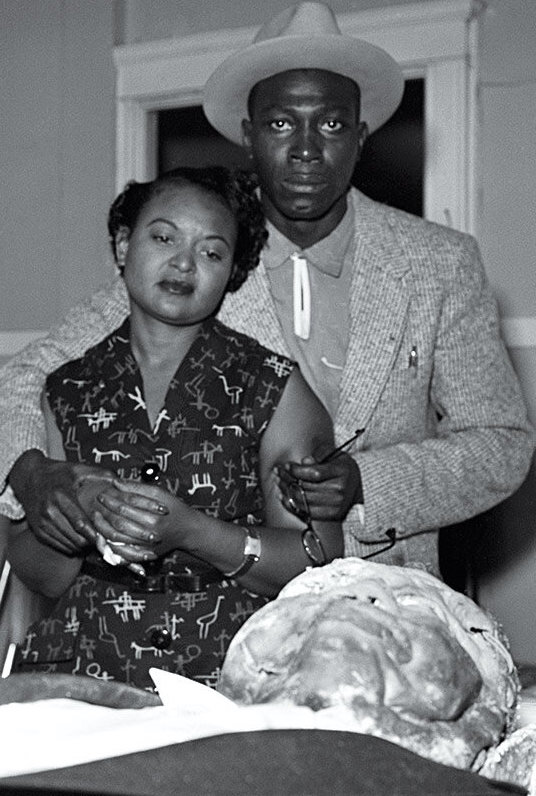
Mamie Till Bradley’s decision
She insisted the casket stay open.
So the country could see what had been done to her child. Photograph by David Jackson, 1955 — adjudicated public domain; reproduced in institutional and educational contexts including EJI, PBS and the Smithsonian NMAAHC.
The mechanism outlived the word
The jury took sixty-seven minutes.
All white, all male — no Black resident of Tallahatchie County could serve on it; none were registered to vote. They acquitted both men.
Not 1955's problem alone. A local official's unreviewed word, closing the file fast, is the same shape a coroner's ruling takes today.
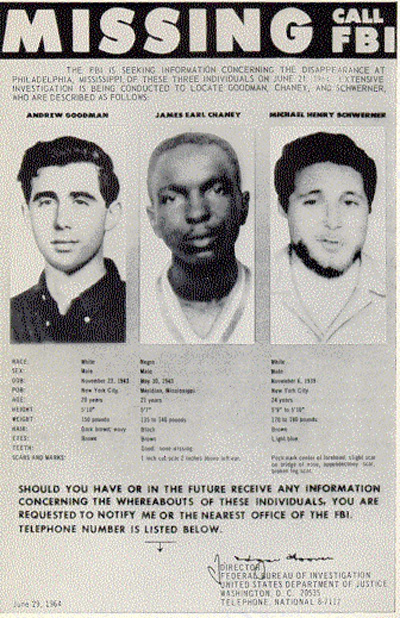
Chaney, Goodman, Schwerner
The first autopsy said gunshot wounds.
A second, family-requested autopsy found what the first left out: “this frail boy had been beaten in an unhuman fashion…I have never seen bones so severely shattered, except in tremendously high-speed accidents or airplane crashes.” — Dr. David Spain, 1964. FBI poster, public domain (U.S. government work).
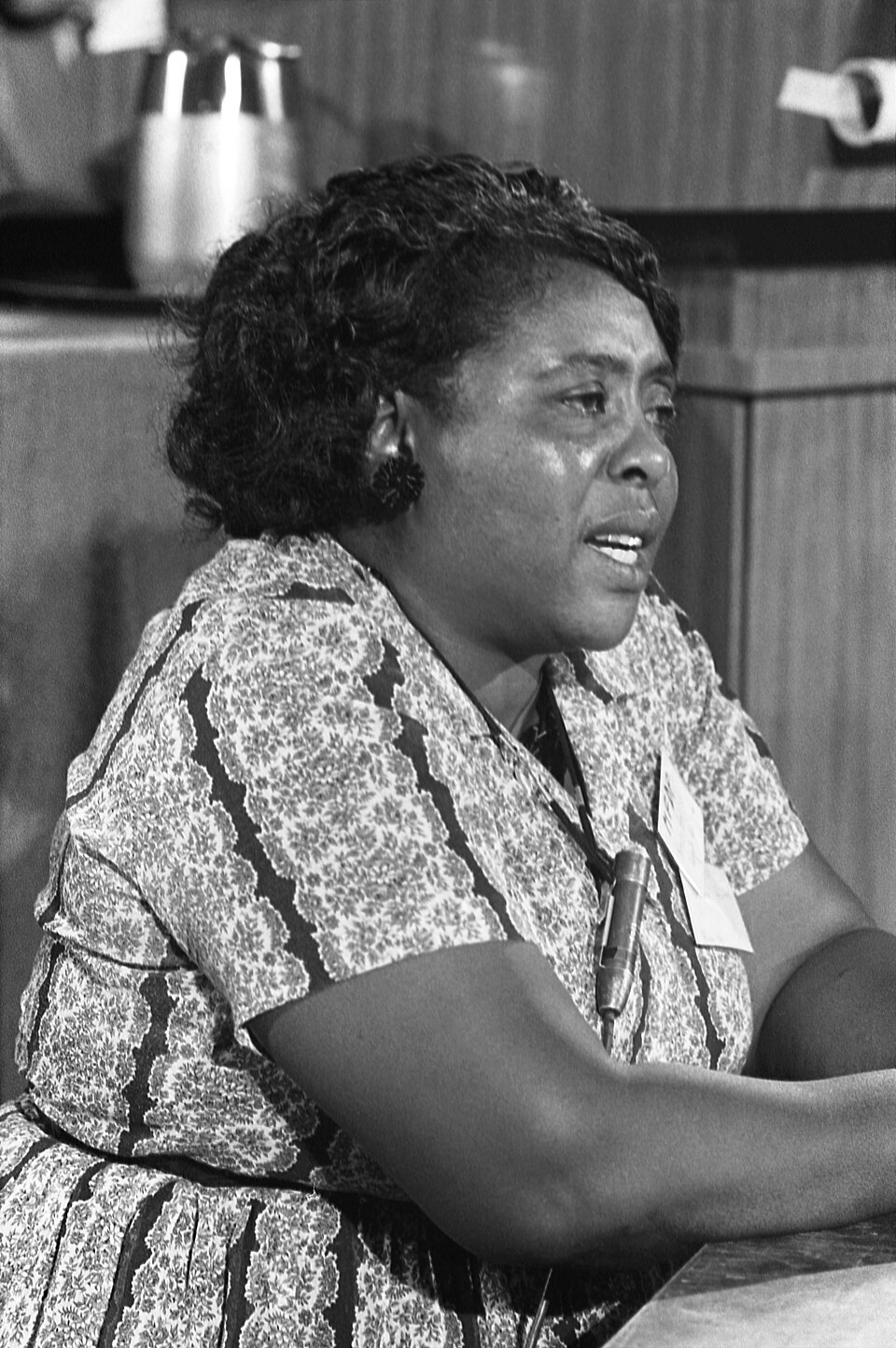
Fannie Lou Hamer · Winona, 1963
Beaten until she could no longer feel her hands.
Pulled off a bus on the way home from a voter-registration workshop; jailed and beaten on orders of white state troopers. No trooper was ever prosecuted. Library of Congress portrait, public domain.
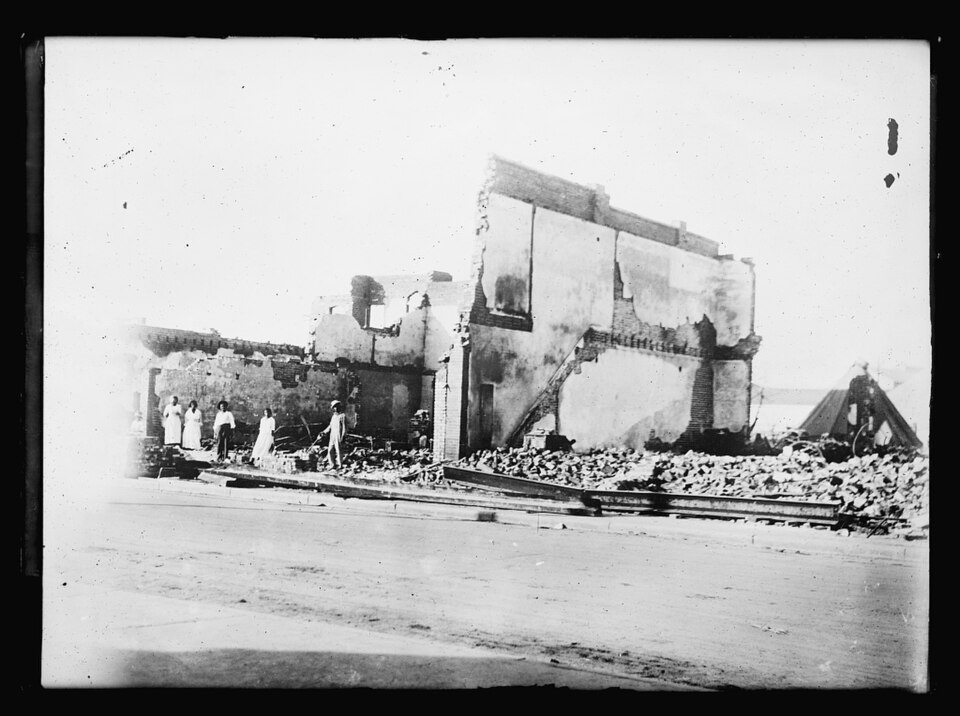
Greenwood, Tulsa · 1921
The official count stood at thirty-six for eighty years.
Historians now estimate one hundred to three hundred dead; a state commission did not correct the record until 1997. The same shape recurs at Rosewood and Elaine — and, in different offices, this century, in Ronald Greene, George Floyd and Elijah McClain. American Red Cross / Library of Congress photograph, public domain.
The history these counties sit on
Some carry a documented number. Some carry none.
Documented African American racial-terror lynching victims by county, 1877–1950. Equal Justice Initiative. Not every county on this roster carries the same history — and that honesty is the point.
Otis Byrd
A federal review is not the same question as how he died.
The review
Found hanging from a tree, Port Gibson, Mississippi, March 2015. Ruled suicide. The FBI and DOJ investigated and reported no foul play.
What it answers
Whether a federal crime can be charged — not how he died, and not anything his relatives are allowed to read.
His relatives did not accept it. The medical examiner’s file is still the thing they are asking for.
Javion Magee
The ruling arrived eight months later.
Twenty-one, a truck driver from Aurora, Illinois. Found against a tree in Henderson, North Carolina with a rope around his neck, 13 September 2024. Ruled suicide in May 2025.
What is happening in the eight months between a death and its ruling, and who is allowed to see it?
Qaadir and Naazir Lewis
They hired two independent homicide investigators. Every review agreed.
The ruling
GBI — double suicide. Each twin had a contact-range gunshot wound; forensic evidence that both had fired the gun; ammunition Naazir had bought; a phone search for “suicide rates 2024.”
The family
Nineteen, from Lawrenceville — found on Bell Mountain, ninety miles from home, 8 March 2025, when they were supposed to be flying to Boston. They rejected the ruling, then paid to test it. They accept it now.
They stay on the roster, and we say so on air.
Malcolm Harsch
His family disputed it — then accepted it after they were shown the video.
Thirty-eight. Victorville, California, 31 May 2020 — ten days before and fifty miles from Robert Fuller.
San Bernardino County Sheriff — suicide, citing surveillance video from a nearby building.
Cedric Longanga Tayuhe
"Consistent with suicide" is not the same word as suicide.
Thirty-six. A Congolese human-rights advocate. Found in Harris Depot Park, Harrisburg, NC, 6 June 2026.
The sheriff's office spoke only after the community asked why so little had been made public — two months later. His family brought him home to Lubumbashi, DRC.
Dennoriss Richardson
The bone the exam needed most was gone before the second opinion could look.
The ruling
Alabama Dept. of Forensic Sciences — suicide. The sheriff stands by it, and asked the FBI to review it anyway, "for transparency."
The private autopsy
Affirmed the cause of death but called for a "thorough and meticulous investigation... to rule out staged suicide." The hyoid bone was missing before it began.
Filed a federal police-brutality lawsuit seven months before he died. Neither his widow, his attorney, nor the private pathologist was ever given the scene photos or the rope.
Titi Gulley
Ruled suicide at the scene. Her family was never shown the file.
Thirty-one. A Black trans woman, found hanging in Rocky Butte Park, Portland, Oregon, 27 May 2019.
Two news outlets independently requested her autopsy records. Both were denied.
What the two accepted cases show
The difference between the two groups is access, not grief.
The two
Both families stopped for the same reason: somebody showed them the file. Neither was persuaded by being told to trust the ruling.
The ninety-six
Have not been given that.
If the file is what ends the dispute, why is the file the thing that gets sealed?
What would settle it
None of this has to stay true
1
Independent review of a manner-of-death ruling whenever the family formally disputes it
2
The family’s right to see and contest the file — without a lawsuit and without a court order
3
A published count. Nobody at any level of government can currently say how many of these there are
The tools exist. What is missing is the standard.
Part 3 · The Roster
Ninety-eight closed files, and the families who would not let them stay closed.
A nine-part research record stands behind this series. Publication to come.